
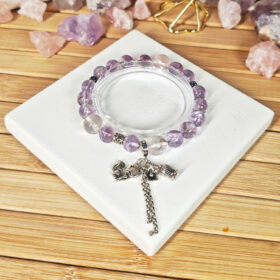
 Amethyst Bracelets
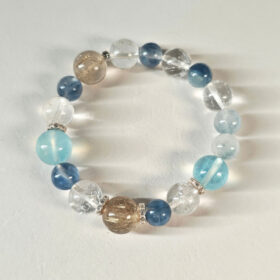 Aquamarine Bracelets
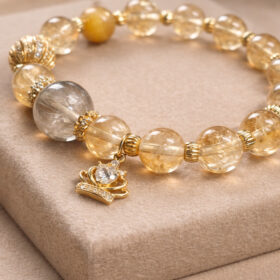 Citrine Bracelets
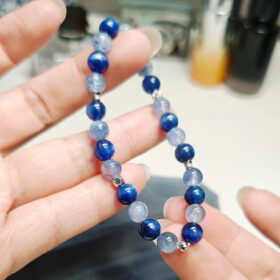 Kyanite Bracelets
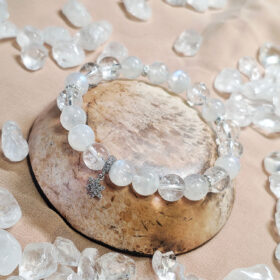 Moonstone Bracelets
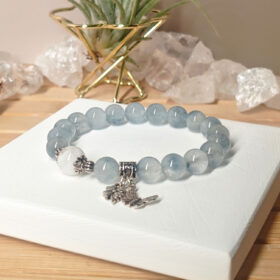 Rutilated Quartz Bracelets
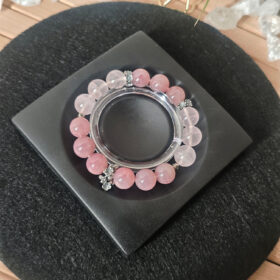 Rose Quartz Bracelets
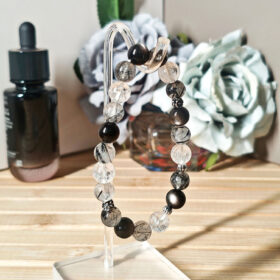 Silver Obsidian Bracelets
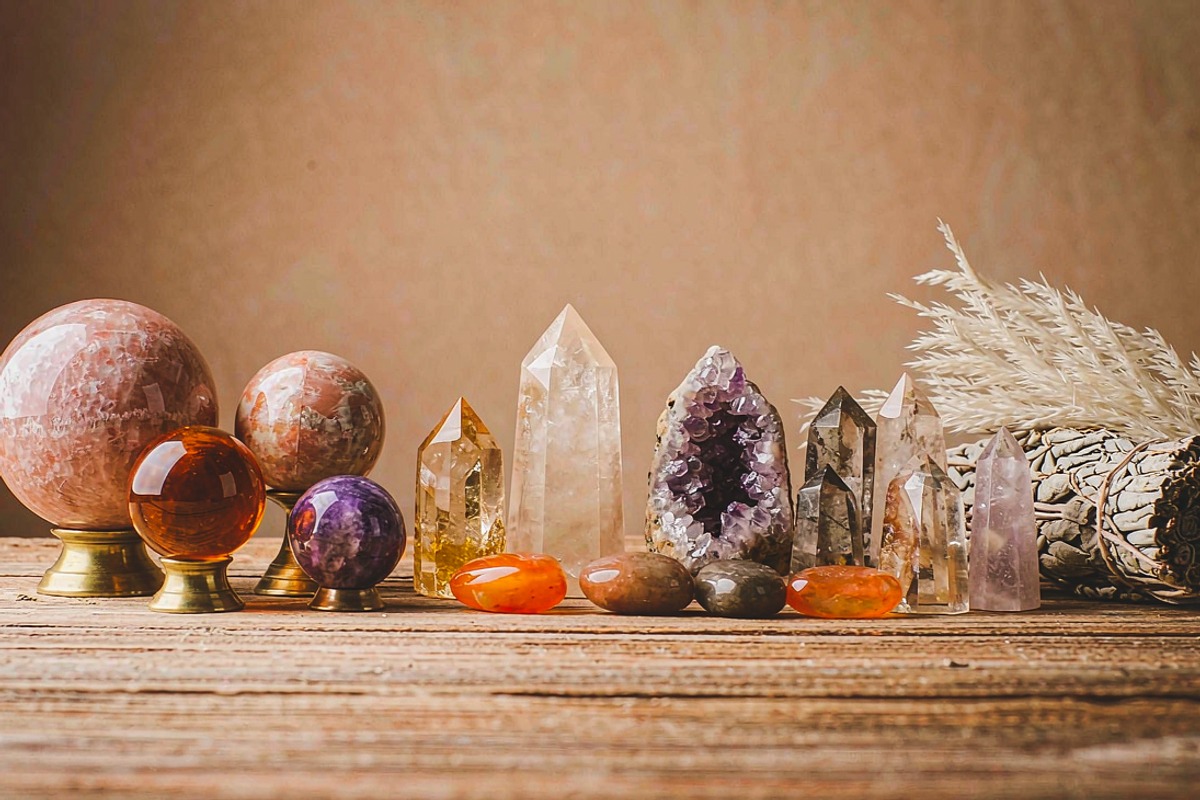
Crystal Bracelets
Choose What Resonates
Choose by Intention
Love · Confidence · Calm · Clarity
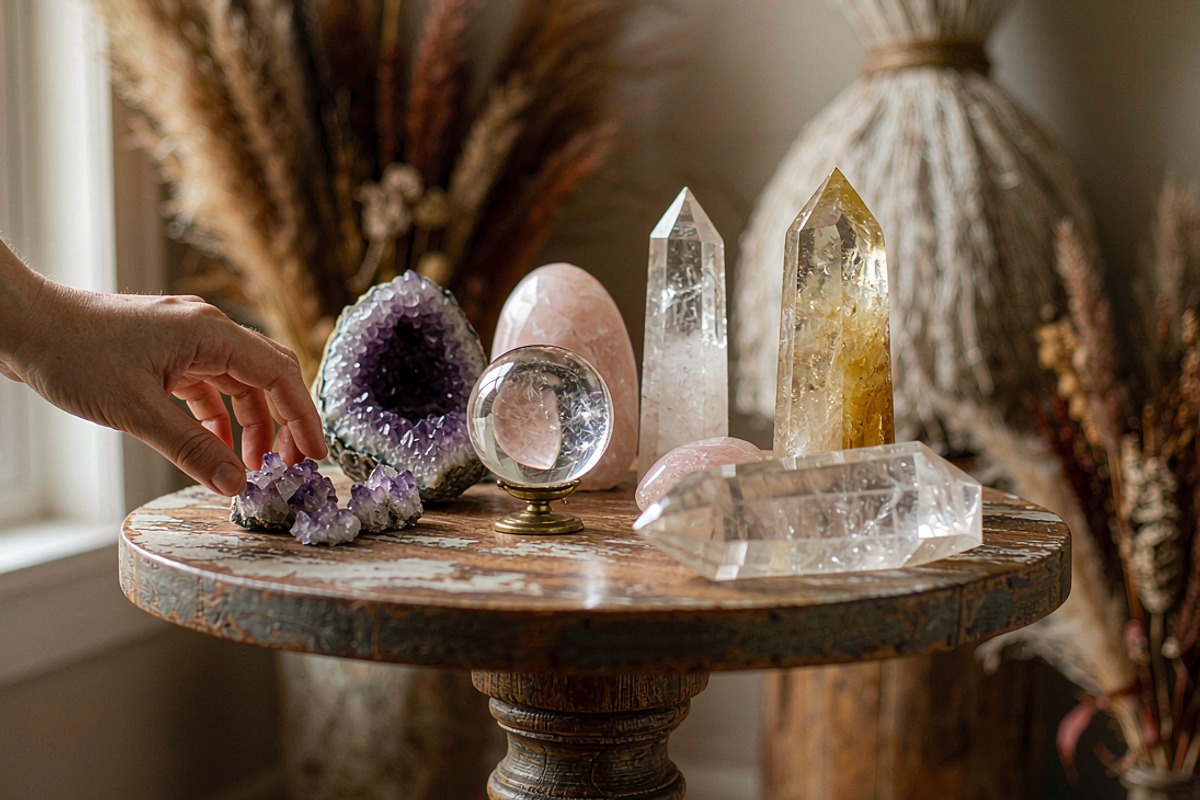
With so many crystals to choose from, finding the right one can feel overwhelming. If you have ever wondered, “What crystal is best for me?”, a simple place to start is with your personal intentions.
Different crystals have long been associated with different qualities and symbolic meanings. Some are traditionally connected with love and compassion, while others are associated with confidence, clarity, protection, intuition, or creativity.
If you have been wondering what crystals are best for you, this guide explores twelve popular options and offers a simple way to choose one that feels meaningful to you.
A note on crystal meanings: The associations in this guide reflect traditional, cultural, and spiritual practices rather than scientifically established medical effects. Crystals can be appreciated as meaningful objects for reflection, intention-setting, and personal rituals.
1. Clear Quartz: A Symbol of Clarity
Best for: Beginners, intention-setting, and those drawn to simplicity.
Why choose it: Clear quartz is often described in crystal traditions as an amplifying or versatile stone. Its transparent appearance and simple form make it a popular choice for people beginning to explore crystals.
If you are unsure where to start, clear quartz can be a meaningful everyday companion for setting intentions and creating moments of focus.
2. Amethyst: A Symbol of Calm and Reflection
Best for: Relaxation rituals, reflection, and spiritual exploration.
Why choose it: Amethyst has long been associated with calmness, introspection, and spiritual awareness in crystal traditions. Its rich purple color also gives it a distinctive, peaceful presence.
Choose amethyst if you are looking for a crystal that fits naturally into quiet moments, meditation, journaling, or evening rituals.
For a deeper look at this stone, our guide to the amethyst crystal meaning and symbolism covers its history and traditional associations. If you would like to wear it, our evening stillness crystal bracelet was designed for exactly these quiet, everyday moments.
3. Rose Quartz: A Symbol of Love
Best for: Love, self-kindness, compassion, and meaningful relationships.
Why choose it: Rose quartz is traditionally associated with love, compassion, and emotional openness. Its soft pink color has made it one of the most recognizable crystals connected with the theme of love.
Whether you are celebrating a relationship or simply creating a reminder to treat yourself with greater kindness, rose quartz can carry a gentle and personal meaning.
You can also see how it looks in practice by browsing our rose quartz bracelets.
4. Citrine: A Symbol of Confidence and Abundance
Best for: Motivation, confidence, creativity, and abundance-focused intentions.
Why choose it: Citrine is often associated with optimism, abundance, confidence, and personal drive. Its warm golden color naturally gives it a bright and uplifting visual character.
Citrine may appeal to anyone entering a new chapter, setting professional goals, or looking for a symbolic reminder to approach opportunities with confidence.
Curious how citrine works alongside other stones? Our guide to golden rutilated quartz and citrine looks at what happens when two crystals are combined.
5. Black Obsidian: A Symbol of Protection and Grounding
Best for: Protection symbolism, grounding, and personal boundaries.
Why choose it: Black obsidian has long been associated with protection, grounding, and introspection. Its deep, reflective appearance gives it a strong visual connection with these themes.
For those who prefer darker stones, black obsidian can serve as a meaningful reminder to stay grounded and maintain healthy personal boundaries.
6. Green Aventurine: A Symbol of Opportunity
Best for: New beginnings, confidence, opportunity, and prosperity-focused intentions.
Why choose it: Green aventurine is traditionally known as a stone associated with opportunity, optimism, and prosperity. Its natural green color also makes it an appealing choice for those drawn to themes of growth and renewal.
It can be especially meaningful during periods of change, career development, or when you are setting new personal goals.
7. Lapis Lazuli: A Symbol of Wisdom and Expression
Best for: Introspection, communication, wisdom, and self-expression.
Why choose it: Lapis lazuli has a long history of cultural and symbolic significance and is often associated with wisdom, truth, communication, and inner reflection.
Its deep blue color and natural golden inclusions make it especially distinctive for those who want a crystal with both visual character and symbolic depth.
8. Aquamarine: A Symbol of Calm Communication
Best for: Calmness, communication, clarity, and a sense of ease.
Why choose it: Aquamarine is often associated with calmness, clear communication, and the imagery of water. Its soft blue color gives it a naturally serene appearance.
If you are drawn to ocean-inspired colors or want a crystal that represents a calmer, clearer approach to communication, aquamarine may be a natural choice.
If you would like to know the stone itself better, our guide to the aquamarine stone meaning covers its properties, value factors, and symbolism.
9. Moonstone: A Symbol of Intuition and Change
Best for: Intuition, reflection, new beginnings, and personal transitions.
Why choose it: Moonstone has traditionally been associated with intuition, cycles, reflection, and new beginnings. Its luminous appearance can also create a strong connection with themes of change and inner awareness.
Moonstone may be particularly appealing if you are moving through a new chapter and want a symbolic reminder to remain open to change.
10. Tiger’s Eye: A Symbol of Courage and Confidence
Best for: Confidence, courage, focus, and grounding.
Why choose it: Tiger’s eye is traditionally associated with courage, determination, confidence, and grounded decision-making. Its distinctive chatoyant appearance gives it a dynamic quality that complements these themes.
Consider tiger’s eye when you want a wearable reminder to stay focused and move forward with greater confidence.
11. Malachite: A Symbol of Transformation
Best for: Personal growth, change, reflection, and new beginnings.
Why choose it: Malachite is often associated with transformation, growth, and positive change. Its naturally dramatic green patterns make every piece visually distinctive.
For someone entering a new stage of life or reflecting on personal growth, malachite can represent the idea of embracing change rather than resisting it.
12. Carnelian: A Symbol of Creativity and Motivation
Best for: Creativity, motivation, confidence, and self-expression.
Why choose it: Carnelian is traditionally associated with vitality, creativity, motivation, and personal expression. Its warm orange-red tones give it an energetic visual presence.
It can be a meaningful choice for artists, entrepreneurs, creators, or anyone beginning a project that requires inspiration and momentum.
How to Choose the Right Crystal for You
Choosing a crystal does not have to be complicated. Instead of trying to find one “perfect” stone, start with what you want the crystal to represent in your everyday life.
1. Start With Your Intention
Think about what matters most to you right now.
Are you looking for:
Love and compassion?
Confidence and motivation?
Protection and grounding?
Intuition and reflection?
Creativity and self-expression?
New beginnings and personal growth?
Your intention can help narrow down your choices.
2. Explore the Traditional Meaning
Once you know your intention, explore the crystals traditionally associated with that theme.
For example:
Love: Rose Quartz
Confidence: Tiger’s Eye or Citrine
Protection: Black Obsidian
Intuition: Moonstone or Lapis Lazuli
Creativity: Carnelian
Opportunity: Green Aventurine
Calm and reflection: Amethyst or Aquamarine
Clarity: Clear Quartz
These associations are symbolic rather than guaranteed outcomes. The most meaningful crystal is often the one whose color, appearance, story, or symbolism connects with you personally.
3. Pay Attention to What You Are Drawn To
Personal preference matters.
You may find yourself repeatedly noticing a particular color, crystal shape, or stone without knowing why. That can simply be a useful starting point for exploring its traditional meaning.
You do not need to follow a strict set of rules when choosing a crystal.
4. Consider How You Will Use It
Think about where the crystal will fit into your life.
A crystal might become:
An everyday bracelet
A small piece kept on your desk
A meditation or reflection companion
A meaningful gift
A personal reminder of a goal or intention
Choosing a crystal becomes easier when you think about both its meaning and how you want to experience it.
Once you have chosen one, our guide on how to cleanse and recharge a crystal bracelet covers how to care for it.
Which Crystal Should You Choose?
There is no single crystal that is universally “right” for everyone. Your choice can depend on your personal intention, aesthetic preference, and the symbolism that feels meaningful to you.
| Your Intention | Crystal to Explore |
|---|---|
| Love & compassion | Rose Quartz |
| Confidence & courage | Tiger’s Eye |
| Abundance & opportunity | Citrine |
| Protection & grounding | Black Obsidian |
| Intuition & reflection | Moonstone |
| Communication & wisdom | Lapis Lazuli |
| Calm & clarity | Aquamarine |
| Creativity & motivation | Carnelian |
| Personal growth | Malachite |
| New beginnings | Green Aventurine |
| Simplicity & clarity | Clear Quartz |
| Reflection & spiritual exploration | Amethyst |
You can also combine crystals based on different intentions. For example, someone focused on confidence and opportunity might naturally be drawn to tiger’s eye and citrine, while someone interested in calm reflection might prefer amethyst and aquamarine.
A Simple Way to Find Your Crystal
If you are still unsure, keep it simple.
Start with one intention, explore a few crystals traditionally connected with that theme, and then choose the one whose appearance and meaning resonate with you most.
The process does not need to be complicated. A crystal can simply be a beautiful object that carries a personal reminder of what you value, where you are going, or how you want to approach everyday life.
Frequently Asked Questions
What crystal is best for beginners?
Clear quartz is a common starting point. It is often described in crystal traditions as an amplifying or versatile stone, and its simple, transparent appearance makes it an easy first choice for intention-setting.
How do I choose a crystal for the first time?
Start with one intention, explore the crystals traditionally connected with that theme, and then choose the one whose appearance and meaning resonate with you most.
Can I wear different crystals together?
Yes. You can combine crystals based on different intentions — for example, tiger’s eye and citrine for confidence and opportunity, or amethyst and aquamarine for calm reflection.
Final Thoughts
Finding the best crystals for your needs is ultimately a personal experience. Traditional crystal meanings can give you a starting point, while your own preferences and intentions can guide the final choice.
Whether you are drawn to the soft pink of rose quartz, the deep blue of lapis lazuli, the golden tones of citrine, or the reflective beauty of moonstone, choose a crystal that feels meaningful to you.
Sometimes, the right crystal is simply the one that reminds you of the intention you want to carry with you.