
 Amethyst Bracelets
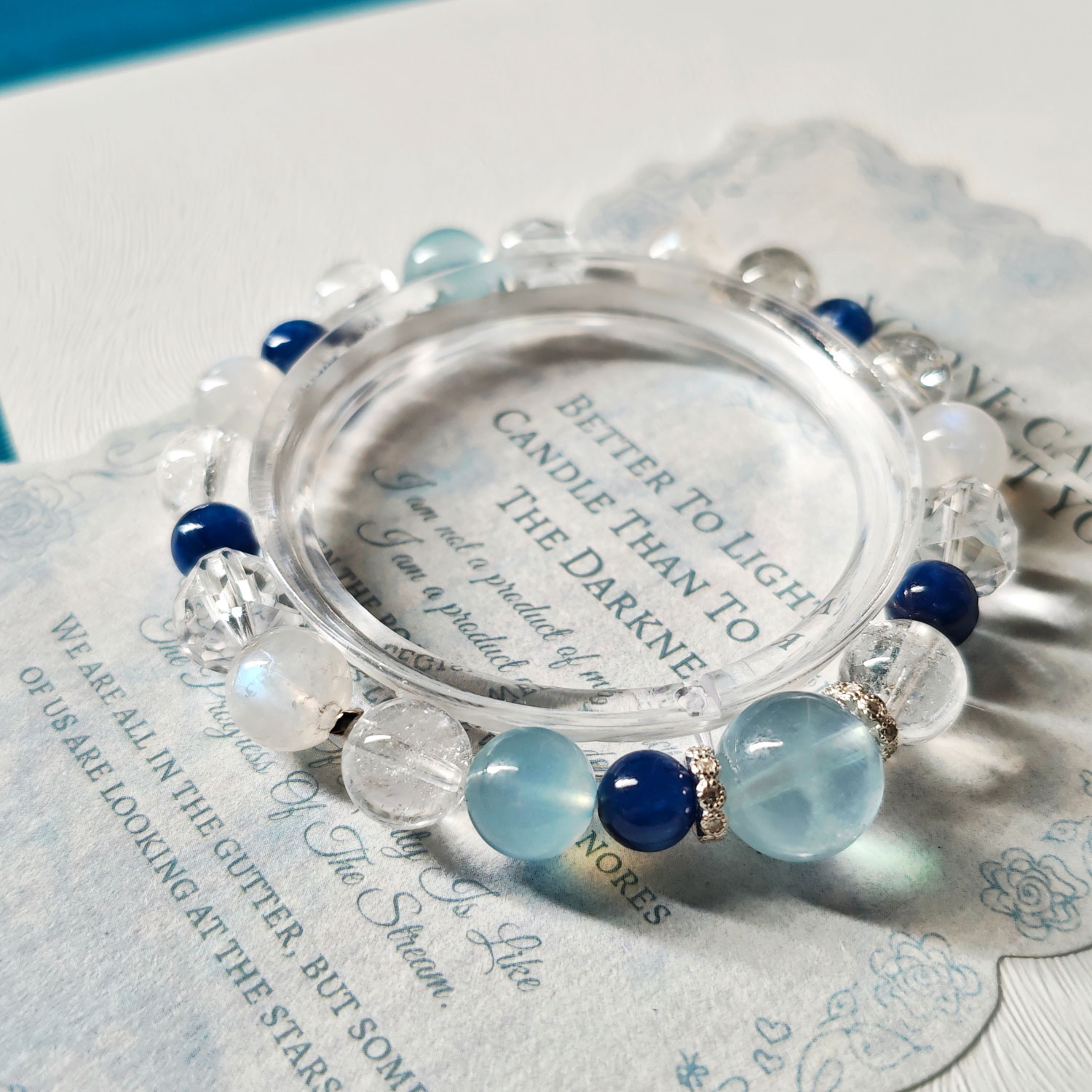
 Aquamarine Bracelets
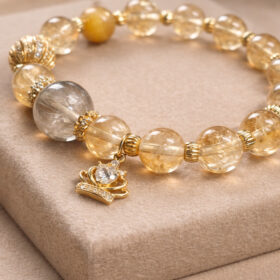 Citrine Bracelets
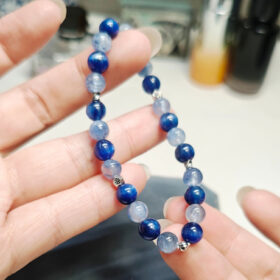 Kyanite Bracelets
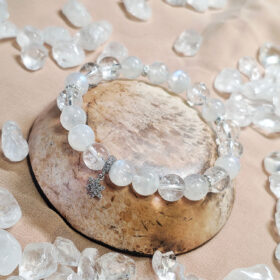 Moonstone Bracelets
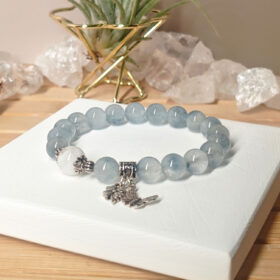 Rutilated Quartz Bracelets
 Rose Quartz Bracelets
 Silver Obsidian Bracelets
Discover Aquamarine
Beauty, Meaning & More
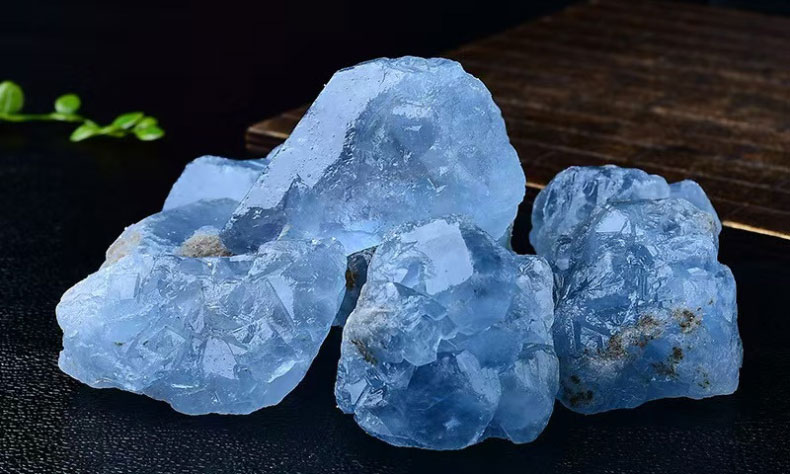
Aquamarine is a beautiful blue to blue-green variety of beryl, admired for its clear appearance and ocean-inspired color. Its name comes from the Latin words aqua marina, meaning “sea water,” a fitting reference to its tranquil blue hues.
Known as the march birthstone, aquamarine has been valued for centuries for its beauty, durability, and rich history. Today, it is widely used in rings, necklaces, earrings, bracelets, and other fine jewelry.
Whether you are interested in aquamarine for its appearance, gemstone properties, symbolism, or jewelry use, this guide introduces the key things to know.
A note on symbolism: Traditional meanings and historical beliefs associated with aquamarine are presented as cultural and symbolic traditions rather than scientifically established effects.
1. What Is Aquamarine?
Aquamarine is the blue to greenish-blue variety of the mineral beryl. Emerald belongs to the same mineral family, but its characteristic green color distinguishes it from aquamarine.
The color of aquamarine is generally caused by trace elements within the beryl crystal structure. Its colors can range from light pastel blue to deeper blue and slightly greenish-blue tones.
Aquamarine is also known for forming relatively large, well-formed crystals, which makes it attractive to both jewelry designers and mineral collectors.
2. Key Characteristics of Aquamarine
Here are some of the main gemological characteristics of aquamarine:
Mineral: Beryl
Chemical Composition: Be₃Al₂Si₆O₁₈
Color: Greenish blue to blue
Mohs Hardness: 7.5–8
Specific Gravity: Approximately 2.72
Refractive Index: Approximately 1.577–1.583
Crystal System: Hexagonal
Transparency: Often transparent, with fine-quality stones commonly showing excellent clarity
Aquamarine’s hardness of 7.5–8 makes it a durable gemstone for jewelry when handled with reasonable care.
Its relatively high transparency and attractive blue color are among the characteristics that make it especially popular in fine jewelry.
3. Where Is Aquamarine Found?
Aquamarine is found in several parts of the world, with important sources in South America, Africa, and Asia.
Brazil
Brazil has been an important source of aquamarine for more than two centuries. The state of Minas Gerais is particularly well known for aquamarine deposits and has produced many notable specimens.
Pakistan
Aquamarine is also found in the mountainous regions of Pakistan, including areas of the Karakoram. Some stones from this region are known for their high clarity and attractive blue color.
Other Sources
Aquamarine is also found in countries including:
Madagascar
Nigeria
Mozambique
Kenya
Zambia
Russia
China
Myanmar
Ukraine
The origin of a gemstone can be interesting from a collecting perspective, but geographic origin alone does not determine whether an aquamarine is high quality or valuable.
4. What Determines Aquamarine Value?
Several factors influence the appearance and market value of an aquamarine.
Color
Color is one of the most important considerations. Aquamarine can range from very light blue to deeper blue and greenish-blue. More saturated blue colors are generally more desirable, particularly when combined with good clarity.
Clarity
Aquamarine is often appreciated for its transparency. Fine stones can be remarkably clear, and visible inclusions may affect their appearance and value.
Cut
A well-executed cut can improve how an aquamarine displays its color, brilliance, and overall proportions. Popular cuts include emerald, oval, pear, and round shapes.
Carat Weight
Larger aquamarines are available because the mineral can form large crystals. However, size alone does not determine quality. Color, clarity, cut, and overall appearance remain important considerations.
Treatment
Heat treatment is commonly used to modify aquamarine’s color, particularly to reduce greenish tones and produce a bluer appearance. GIA notes that heat treatment is a recognized treatment for aquamarine.
When purchasing an aquamarine, it is useful to understand whether the stone has been treated and what information is available about its characteristics.
5. Aquamarine Meaning and Symbolism
The aquamarine gemstone meaning is closely connected with the sea, clarity, and serenity.
Its name comes from Latin words meaning “sea water,” reflecting its characteristic blue color.
Aquamarine has also accumulated a rich history of symbolism:
Purity and Clarity
Its clear blue appearance has traditionally been associated with purity, openness, and clarity.
Peace and Serenity
The color of aquamarine naturally evokes calm water and open skies, making serenity one of its most common symbolic associations.
Sailors and the Sea
Historical lore connected aquamarine with sailors and journeys at sea. Ancient mariners were said to believe that the gemstone could help protect them during voyages and calm the waves. These beliefs are part of aquamarine’s historical lore rather than established scientific effects.
March Birthstone
Aquamarine is one of the recognized birthstones for March. It is also traditionally associated with the 19th wedding anniversary.
6. Common Uses of Aquamarine
Aquamarine is versatile enough for many types of jewelry and decorative applications.
Fine Jewelry
Aquamarine is commonly used in:
Rings
Necklaces
Earrings
Bracelets
Pendants
Its combination of attractive color, transparency, and good hardness makes it suitable for many jewelry designs.
Collecting
Large, well-formed aquamarine crystals can also be highly appealing to mineral collectors. Some specimens are valued for their crystal size, clarity, color, and natural form.
Meaningful Jewelry
Beyond its gemological characteristics, aquamarine is often chosen for jewelry because of its association with the sea, serenity, clarity, and its status as a March birthstone.
7. How to Care for Aquamarine Jewelry
Aquamarine is relatively durable, but proper care can help preserve its appearance over time.
Clean Gently
Warm water and mild soap are generally considered safe for aquamarine. A soft brush or cloth can be used to remove everyday dirt.
Avoid Hard Impacts
Although aquamarine is reasonably hard, strong impacts can still damage a gemstone. Remove aquamarine jewelry before activities where it may be exposed to knocks or abrasion.
Protect It From Heat
GIA advises against unnecessary heat exposure, particularly because treated or included stones may require additional care.
Store Separately
When not wearing your aquamarine jewelry, store it separately from harder gemstones to reduce the risk of scratches.
Be Careful With Treated Stones
If an aquamarine has been fracture-filled or has particular inclusions, cleaning requirements may differ. For such stones, warm soapy water is the safest general cleaning method.
8. Aquamarine at a Glance
| Feature | Aquamarine |
|---|---|
| Mineral | Beryl |
| Main Color | Blue to greenish blue |
| Mohs Hardness | 7.5–8 |
| Crystal System | Hexagonal |
| March Birthstone | Yes |
| Common Uses | Jewelry and collecting |
| Traditional Associations | Sea, clarity, serenity |
| Common Treatment | Heat treatment |
Conclusion
Aquamarine is much more than a beautiful blue gemstone. As a variety of beryl, it combines attractive color, good durability, excellent transparency in many fine stones, and a fascinating history.
Its traditional symbolism is closely connected with the sea, serenity, clarity, and its role as the March birthstone. From fine jewelry to collectible specimens, aquamarine continues to be appreciated for both its natural beauty and cultural significance.
When choosing aquamarine jewelry, consider its color, clarity, cut, size, treatment, and overall appearance. With thoughtful selection and proper care, this elegant gemstone can remain a beautiful part of your jewelry collection for years to come.