
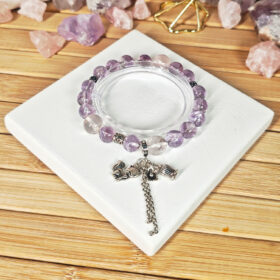
 Amethyst Bracelets
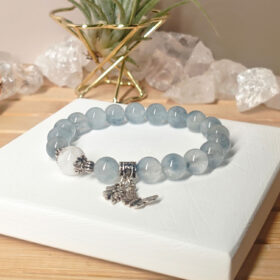
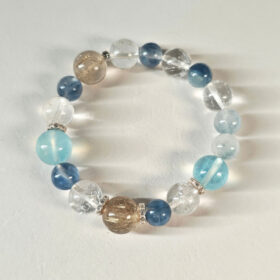 Aquamarine Bracelets
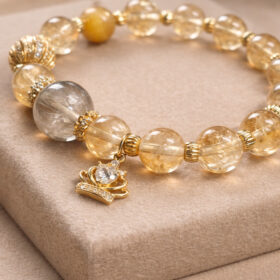 Citrine Bracelets
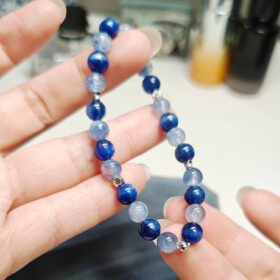 Kyanite Bracelets
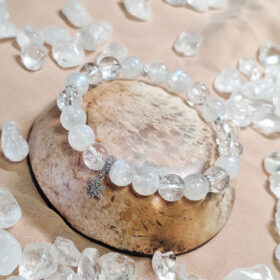 Moonstone Bracelets
 Rutilated Quartz Bracelets
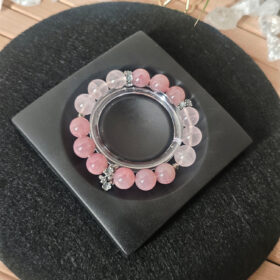 Rose Quartz Bracelets
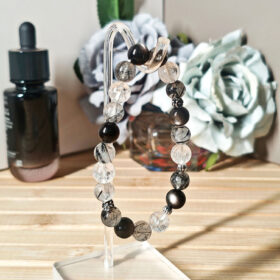 Silver Obsidian Bracelets
Aquamarine, with its captivating ocean-blue hue, is a popular choice for jewelry. But many wonder: Is aquamarine a gemstone or a crystal? This guide will clarify its classification, properties, value, and buying tips—perfect for crystal enthusiasts and jewelry shoppers.
Aquamarine: Key Properties
Aquamarine (chemical formula: Be₃Al₂Si₆O₁₈) is a beryllium aluminum silicate mineral, part of the beryl family—the same group as emerald and morganite. Its unique blue color comes from trace amounts of iron.
- Hardness: 7.5–8 on the Mohs scale (durable for daily wear)
- Refractive Index: 1.577–1.583 (good brilliance)
- Luster: Vitreous (glass-like)
- Transparency: Transparent to semi-transparent
Gemstone vs. Crystal: What’s the Difference?
Before classifying aquamarine, let’s clarify the terms:
- Gemstone: A rare, durable mineral valued for beauty (e.g., diamond, ruby, sapphire)
- Crystal: A solid with an ordered atomic structure (e.g., quartz, amethyst)
So, is aquamarine a gemstone or crystal?
✅ Aquamarine is a gemstone, not a crystal (like quartz). Though it forms in crystals, its mineral family (beryl) and chemical composition differ from true crystals (SiO₂-based).
Why Is Aquamarine a Popular Gemstone?
Aquamarine ranks as a mid-to-high-value semi-precious gem, prized for:
- Color: Ranges from pale blue to deep “Santa Maria” blue (darker shades are rarer)
- Clarity: Typically eye-clean, with fewer inclusions than emerald
- Durability: Hard enough for rings, earrings, and pendants
- Affordability: More accessible than emerald or sapphire
Where Is Aquamarine Found?
Major sources include:
- Brazil: Famous for deep-blue stones
- Madagascar: Produces high-clarity gems
- Pakistan & Nigeria: Known for vibrant colors
- China: Yunnan and Xinjiang produce commercial-grade aquamarine
Buying Guide: How to Choose Quality Aquamarine
When shopping for aquamarine (especially online), check these factors:
- Color Preference: Pale blue = more affordable; deep blue = more valuable
- Treatments: Heat treatment is common to enhance color (disclose if natural is important)
- Cut & Shape: Emerald and oval cuts maximize color; avoid visible inclusions or uneven facets
- Certification: Look for GIA or AIG lab reports for authenticity
Caring for Your Aquamarine Jewelry
To maintain its beauty:
- Clean with mild soap + soft brush (avoid harsh chemicals)
- Store separately to prevent scratches
- Remove before swimming or heavy work
Final Answer: Gemstone, Not Crystal!
Aquamarine is a gemstone (beryl family), not a crystal like quartz. Its durability, color range, and relative affordability make it a favorite for jewelry lovers.
Whether you’re drawn to its calming blue hues or its astrological ties to Pisces and March birthdays, aquamarine is a timeless choice. Ready to buy? Now you can shop smarter!