
 Amethyst Bracelets
 Aquamarine Bracelets
 Citrine Bracelets
 Kyanite Bracelets
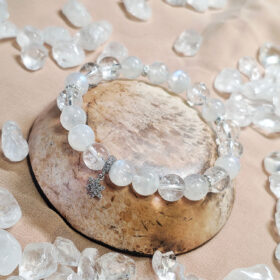 Moonstone Bracelets
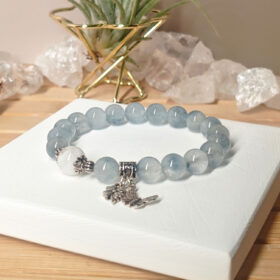 Rutilated Quartz Bracelets
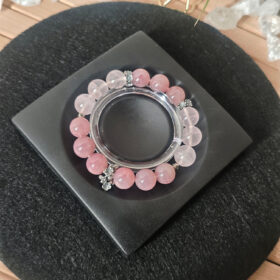 Rose Quartz Bracelets
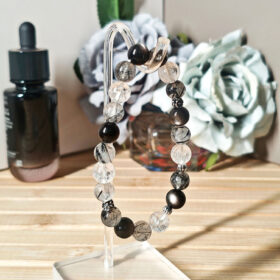 Silver Obsidian Bracelets
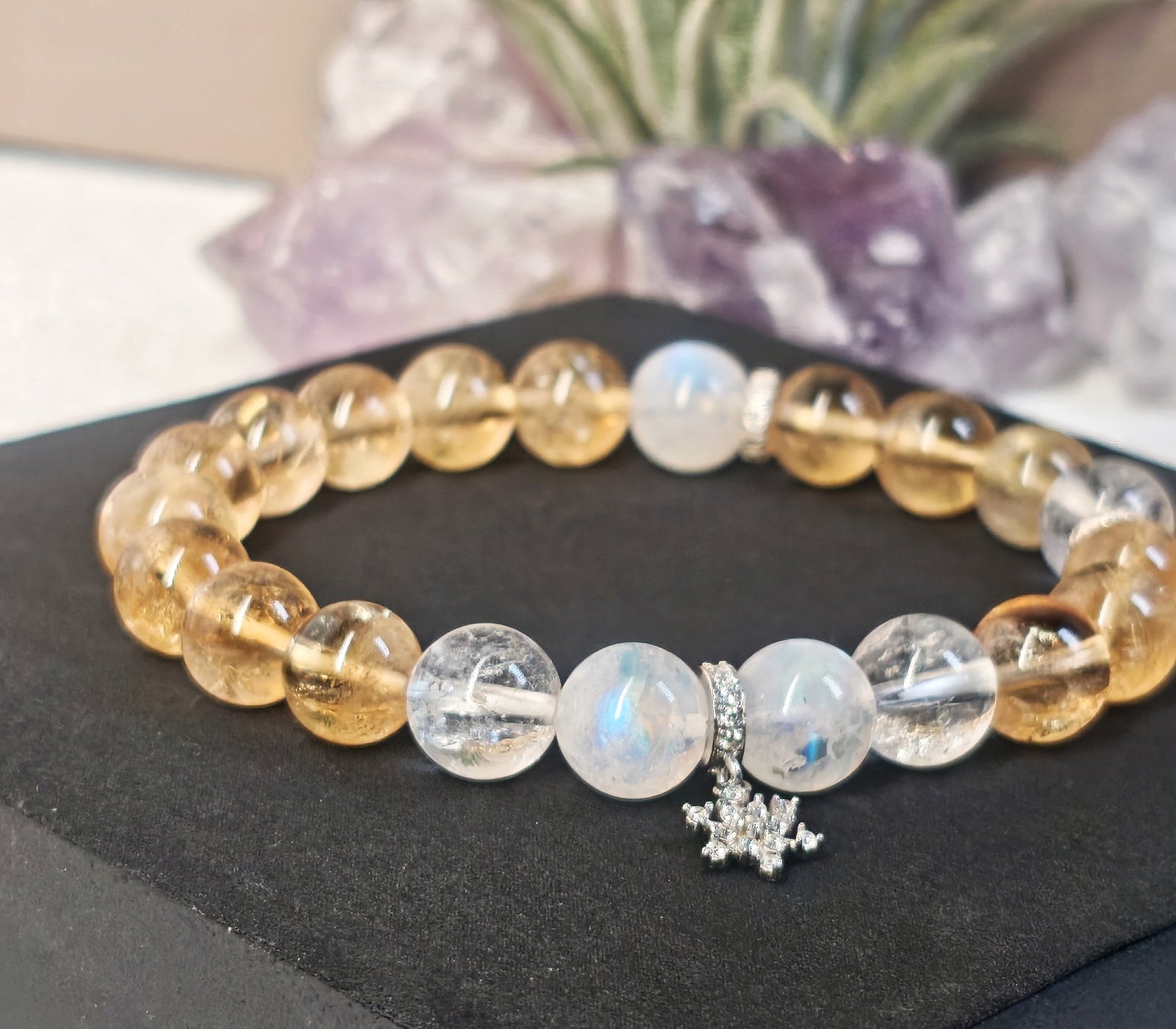
Blue Flash, Soft Glow
Natural adularescence, photographed in daylight.
A June Birthstone
Moonstone shares June with pearl and alexandrite.
Moonstone Meaning: New Beginnings in Crystal Tradition
The traveler’s stone — prized since antiquity for its floating moonlight glow.
Shop Crystal BraceletsFew gemstones carry a story as gentle as the moonstone. For thousands of years, people have looked at its soft, floating glow and seen moonlight trapped inside a stone. That glow is why the moonstone meaning has always revolved around the moon itself: cycles, renewal, and quiet beginnings. In this guide, we unpack the symbolism behind the stone, explain the science of its famous blue sheen, and show how a moonstone bracelet can become an easy, everyday part of your wardrobe.
What Is the Meaning of Moonstone?
At its heart, the moonstone meaning is about new beginnings. In crystal tradition, the stone is linked to the phases of the moon — it waxes, it fades, and it returns. Wearing moonstone is therefore a symbolic way of marking fresh starts: a new role at work, a new city, a new chapter of life. Many wearers describe the stone as a small, steady reminder that change moves in cycles, and that a quiet phase is simply the pause before the next one.
The stone is also traditionally associated with intuition and inner rhythm. Roman naturalists believed moonstone was formed from solidified moonlight, and that belief shaped how later generations used it: as a stone for reflection rather than action, for listening rather than talking. None of this is a promise or a claim — it is folklore passed down for centuries — but it explains why moonstone remains one of the most loved gems for people who value meaning in what they wear.
Moonstone Symbolism Across Cultures
Moonstone symbolism is remarkably consistent across very different cultures. In ancient Rome, the gem was connected with Luna, the moon goddess, and travelers carried it as a protective amulet on long journeys. In Hindu tradition, moonstone was linked with Chandra, the lunar deity, and it was once believed that a moonstone placed in the mouth during a full moon could show the future — a poetic idea that says more about the stone’s mystique than about any literal power.
In more recent history, moonstone became the darling of the Art Nouveau movement. Around 1900, French jewelry houses used its milky glow in some of the era’s most collected pieces, and moonstone rings were popular engagement gifts in the early twentieth century. In parts of Asia, it has long been given as a gift between partners and close friends, which earned it the old nickname of the “traveler’s stone” and the “lover’s stone.” The through-line is always the same: moonlight, journeys, and relationships that matter.
Why Moonstone Glows: The Science of Adularescence
The floating light inside a moonstone is not a surface polish or a coating. It is an optical effect called adularescence. Moonstone belongs to the feldspar family, and it forms with extremely thin, alternating layers of two different feldspar types. When light enters the stone, those layers scatter it and bounce it back as a soft band of glow that seems to drift across the dome of the bead as you move it.
The most prized stones show a blue sheen that floats just under the surface; others show a white or silvery band. Body colors range from colorless and milky white to gray, peach, and even near-black. A related gem often sold as rainbow moonstone shows flashes of several colors at once — technically a variety of labradorite rather than classic moonstone, but treasured for the same lunar look. You can read a detailed gemological overview at GIA’s moonstone guide.
Where Moonstone Comes From
The world’s finest moonstone has come from Sri Lanka for centuries, where it is gathered from gravel pits and washed by hand. Stones from this region are famous for a transparent-to-translucent body with a strong blue sheen. India produces moonstone with warmer body colors — greens, browns, and peaches, often cut with a cat’s-eye band. Madagascar, Myanmar, and Tanzania also export beautiful material, and most mining remains small-scale and manual rather than industrial.
For a bead bracelet, the origin matters less than the sheen: two beads from different countries can look almost identical once strung. What you are really choosing between is the depth of the glow and the clarity of the body. Wherever it is mined, the moonstone meaning stays the same: a piece of the night sky you can wear.
Is Moonstone a June Birthstone?
Yes — June is one of the few months with three recognized birthstones: pearl, alexandrite, and moonstone. The official birthstone list compiled by GIA includes moonstone alongside pearls, which makes it a natural gift for anyone born in June. Because the moonstone meaning centers on renewal, it also works as a birth-month gift with a personal message: a new year, a fresh start, a cycle beginning again.
If you are choosing between the three June stones, moonstone is usually the most affordable of the trio and by far the easiest to wear daily as a beaded bracelet rather than a set gem.
Traditional Benefits of Wearing a Moonstone Bracelet
Crystal meanings are cultural and traditional beliefs, not medical advice. Nothing in this guide should replace the guidance of a qualified professional.
In crystal tradition, moonstone is the stone people reach for at thresholds — moments when one phase of life ends and another begins. Folklore assigns it several symbolic roles:
New beginnings. Gifted at graduations, new jobs, and moves, echoing the moon’s own cycle of renewal.
Intuition and reflection. Traditionally associated with listening to your inner voice rather than outside noise.
Emotional rhythm. Symbolic of balance between busy days and quiet evenings, like the tide that follows the moon.
Safe travel. The old “traveler’s stone,” carried on night journeys long before modern lighting existed.
If you take one idea from the moonstone meaning, let it be this: change moves in cycles, not straight lines. Many wearers describe the experience in gentler terms: a cool, smooth bead against the wrist and a glow that changes with the light — a small daily ritual of slowing down. Whether or not you adopt the folklore, that is a meaning any piece of jewelry would be proud to carry.
How to Wear a Moonstone Bracelet
There is no wrong way to wear moonstone, but tradition offers a few pointers. Many crystal enthusiasts follow the custom of wearing a moonstone bracelet on the left hand, the “receptive” side, so the stone sits closest to the heartbeat. Others simply wear it on the dominant wrist where they will see and feel it during the day — which, honestly, matters more.
Moonstone is also a generous stacking stone. Its milky white body pairs beautifully with:
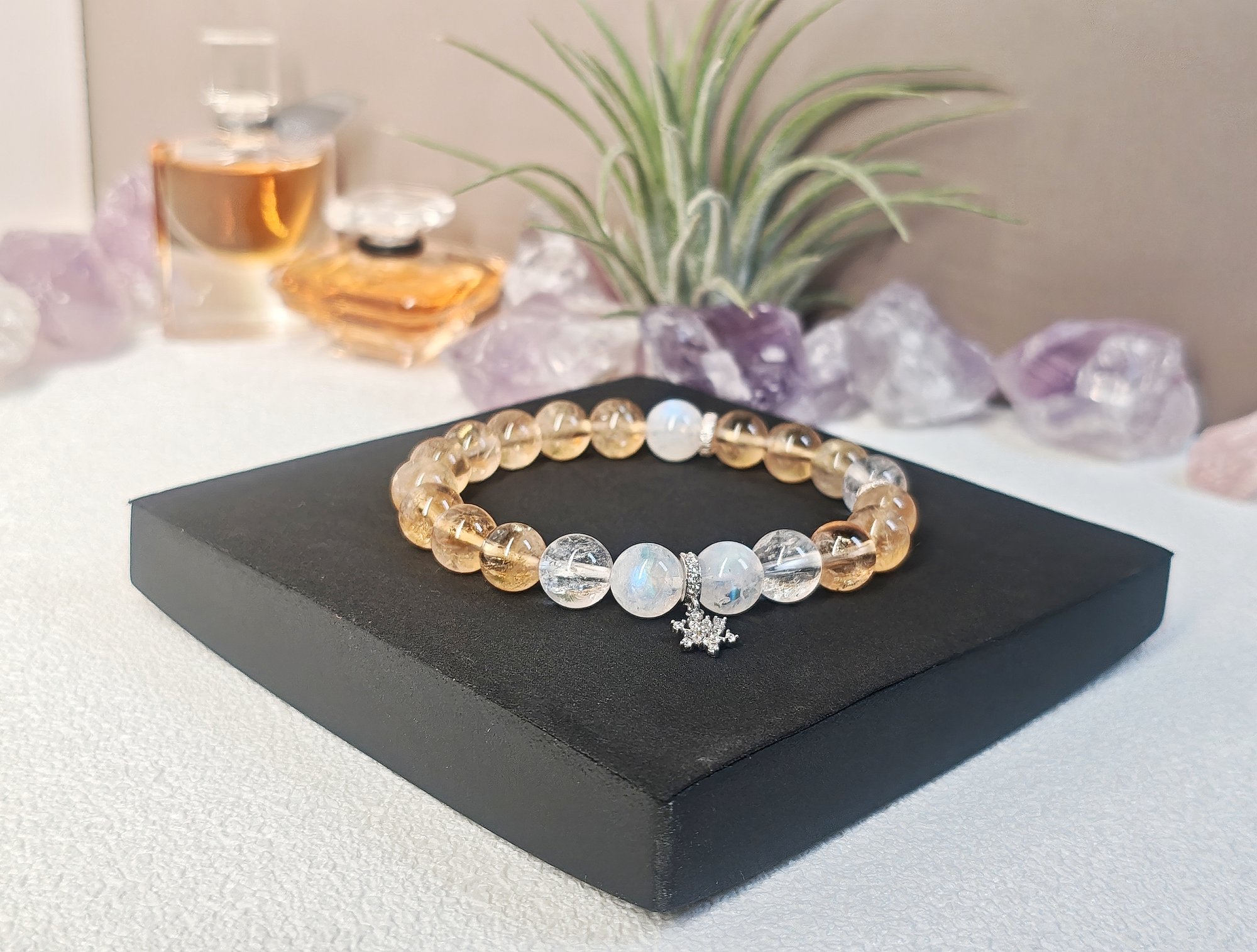
Golden citrine — warm amber tones against cool white, a classic light-and-shadow pairing. Our Moonstone & Ice Citrine Prosperity Bracelet was designed around exactly this contrast.
Amethyst — violet next to pearl-white is a quiet, elegant combination. See our amethyst meaning guide for the story behind that stone.
Sterling silver accents — silver’s cool tone echoes the sheen of the stone rather than competing with it, which is why both of our moonstone designs use 925 silver spacers and charms.
Whether you follow the traditions or simply love the glow, the moonstone meaning travels well from casual daytime looks to evenings out. If you want a single-strand look with a deeper blue flash, the Blue Moonstone Wrap Bracelet layers blue-sheen beads with a wrap-style cord that suits both wrists and ankles. For a full overview of every design in the shop, browse the crystal bracelets collection.
How to Cleanse and Care for Moonstone
Moonstone ranks about 6 to 6.5 on the Mohs hardness scale — durable enough for daily wear, but softer than quartz, so it deserves a little care. Avoid ultrasonic cleaners and steam: the layered structure that creates the glow can be damaged by vibration and heat. Warm water, a drop of mild soap, and a soft cloth are all a moonstone bracelet ever needs. Dry it fully before storing it away from harder gems that could scratch its surface.
In crystal tradition, the classic way to “recharge” moonstone is also the gentlest: leave it under the light of a full moon overnight. Caring for the stone this way is part of honoring the moonstone meaning — slow, gentle attention instead of harsh cleaning. If you want the full routine, our step-by-step guide to cleansing and recharging a crystal bracelet covers every method in detail. For storage between wears, a padded bracelet jewelry case keeps beads from knocking against other pieces in a drawer.
How to Tell if a Moonstone Is Real
Because the glow is the whole point of moonstone, fakes usually fail on exactly that detail. Here is what to check before you buy:
The glow moves. In a real moonstone, the sheen is a band of light inside the stone that shifts and floats as you tilt it. Glass imitations often show a flat, painted-looking luster that stays in one place, or a uniform glitter scattered through the whole bead.
Look for “centipedes.” Many natural moonstones contain tiny internal fracture lines that look like little many-legged insects under magnification. It sounds like a flaw, but gemologists consider these inclusions a reassuring sign of natural origin.
Expect some variation. Real beads vary slightly in tone and sheen from one to the next. A strand where every bead looks factory-identical deserves a closer look.
Be skeptical of perfect color. Intense, fully uniform “blue moonstone” at a bargain price is often dyed glass or synthetic spinel.
The same principles apply across the crystal world — our guide on how to tell if a crystal bracelet is real expands this checklist, and the buyer’s logic in our aquamarine vs crystal explainer applies to moonstone just as well.
Choosing the Right Moonstone Bracelet
Three choices define a moonstone bracelet: body color, sheen strength, and fit. Milky white beads with a blue sheen are the classic look; peach and gray bodies wear warmer and more understated. Hold the strand under a single point of light and tilt it — the stronger and narrower the floating band, the finer the material.
Fit matters more with moonstone than with harder stones, because a bracelet that rolls and bangs against desks all day will pick up scuffs. Because the moonstone meaning is tied to renewal, many people buy their first strand to mark a milestone. Measure your wrist before ordering; our crystal bracelet size guide walks through the two-minute process. If you are choosing moonstone as a gift and unsure which stone suits the person, the broader guide on choosing the right crystal for your needs is a good second stop.
Frequently Asked Questions About Moonstone
What does the moonstone meaning represent in crystal tradition?
The moonstone meaning in crystal tradition centers on new beginnings, intuition, and the natural rhythm of cycles. Because the stone’s glow resembles moonlight, folklore has always connected it to the moon: renewal, reflection, and quiet transitions from one phase of life to the next.
Who should wear a moonstone bracelet?
Anyone drawn to its look can wear it happily. In tradition, moonstone is especially fitting for people born in June (it is one of the month’s three birthstones), anyone navigating a fresh start, and travelers — a nod to its old nickname as the traveler’s stone.
What is moonstone believed to attract?
Folklore associates moonstone with new opportunities and emotional balance, since the moon governs tides and cycles. These are symbolic traditions rather than promises, but they are why the stone is often gifted at graduations, new jobs, and the start of a new year.
Can I wear a moonstone bracelet every day?
Yes, with reasonable care. Moonstone is a 6 to 6.5 on the Mohs scale, so remove it before heavy handwork, the gym, or swimming, and store it away from harder gems. A soft cloth and mild soapy water keep it clean.
Which hand should a moonstone bracelet go on?
Tradition favors the left hand, considered the receptive side of the body, so the stone sits closest to the heartbeat. It is a custom rather than a rule — wear it where it feels natural and where you will actually enjoy the glow.
What is the difference between blue moonstone and rainbow moonstone?
Classic blue moonstone is a feldspar with a single blue or white floating sheen. Rainbow moonstone shows multi-color flashes and is technically a transparent variety of labradorite. Both are natural feldspars and both are popular in beaded bracelets.
How do I recharge a moonstone?
In crystal tradition, the moonlight bath is the classic method: rest the bracelet on a windowsill or outdoors overnight during a full moon. For the full routine — including smoke, sound, and running-water methods — see our detailed cleansing guide.
The Takeaway: A Stone of Quiet New Beginnings
The moonstone meaning is easy to hold onto: like the moon, the stone reminds us that everything moves in cycles, and every quiet phase is followed by a bright one. Whether you wear a blue moonstone wrap for its deep sheen or the moonstone and citrine pairing for its warm contrast, you are wearing one of the oldest stories in jewelry — moonlight, kept close to the wrist.